Things U should Know about Cambodia Thailand Conflict 2026

Things U should Know about Cambodia Thailand Conflict 2026. This Cambodia-Thailand mess? It’s been boiling for eons, a real stew of bad blood, old maps, and leaders who just can’t let go.
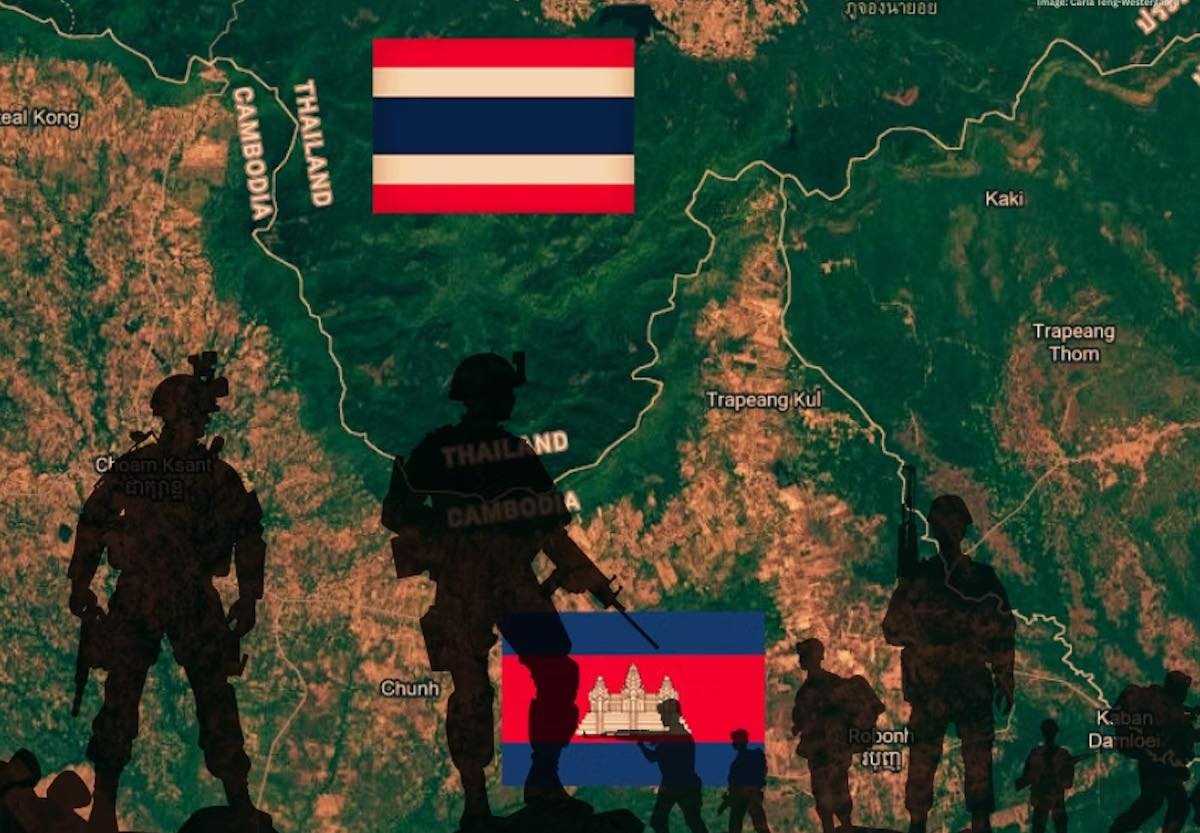
Border squabbles make headlines, sure, but dig deeper: this is history’s angry ghost, a fight for cultural bragging rights, and politicians playing chicken with lives on the line. Decades of simmering, barely contained, have turned a powder keg into a full-blown inferno, especially with 2025’s rockets and drones screaming overhead. Honestly, anyone trying to make sense of this regional basket case needs to grasp the sheer lunacy of it all.
Let’s go way back, shall we? To the Khmer Empire, from the ninth to the fifteenth century.
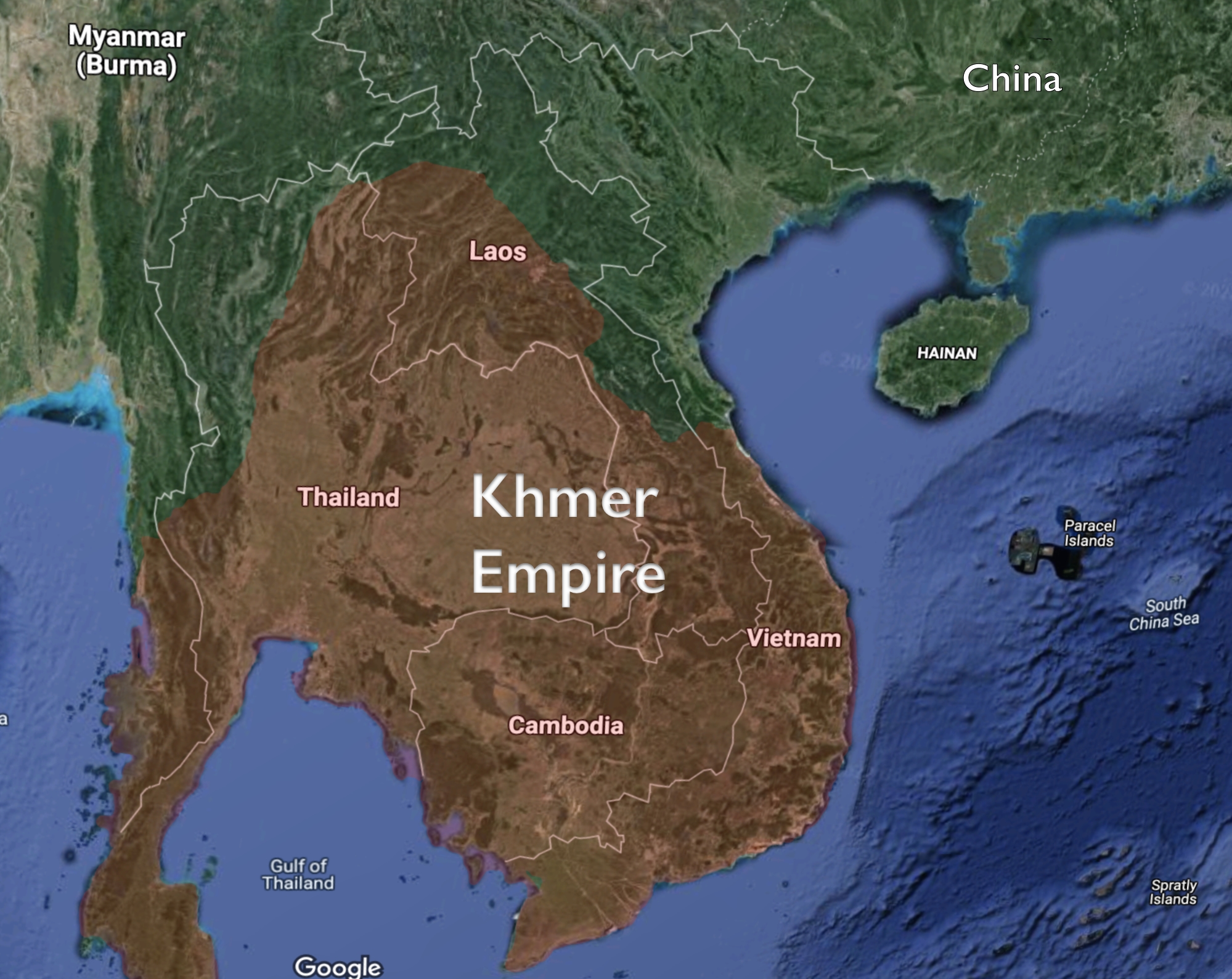
It called the shots, stamped its magnificent mark—art, architecture, politics—all over Southeast Asia. Then, the mighty fell. Angkor itself was sacked in 1431 by the rising Siamese. Western Cambodia? Gone.
By the 19th century, little Cambodia was caught between a rock and a hard place: Siamese claws here, a Vietnamese grip there. So King Norodom, bless his soul, ran to France in 1863, begging for protection. French Indochina it became, and just like that, the seeds of future border fiascos were sown.
Treaties? More like ticking time bombs. The 1904 Franco-Siamese one declared the border followed the Dangrek Mountains. Logical, right? Wrong. Three years later, some French cartographer, probably over a glass of wine, drew Preah Vihear—a massive sacred monument—smack-dab in Cambodia. Without Siamese approval, mind you.
Thailand cried foul, of course, calling it a colonial sleight of hand. Did they just swallow that bitter pill? Not a chance. That map? It’s still a thorn in their side, a wound that never quite heals.
World War II saw Thailand snatch back some land, only to cough it up for UN membership. Post-1953, with Cambodia finally independent, these maps became a festering wound. Then come the cultural boasts: Cambodians declaring Muay Thai is Khmer! Thais scoffing, pointing to conquests! It’s nationalist chest-thumping at its finest.
All this historical baggage explains exactly why a simple border skirmish can send both nations into a frothing, flag-waving frenzy.
At the very heart of this ridiculous conflict sits Preah Vihear, an 11th-century Khmer temple clinging to a Dangrek cliff face.
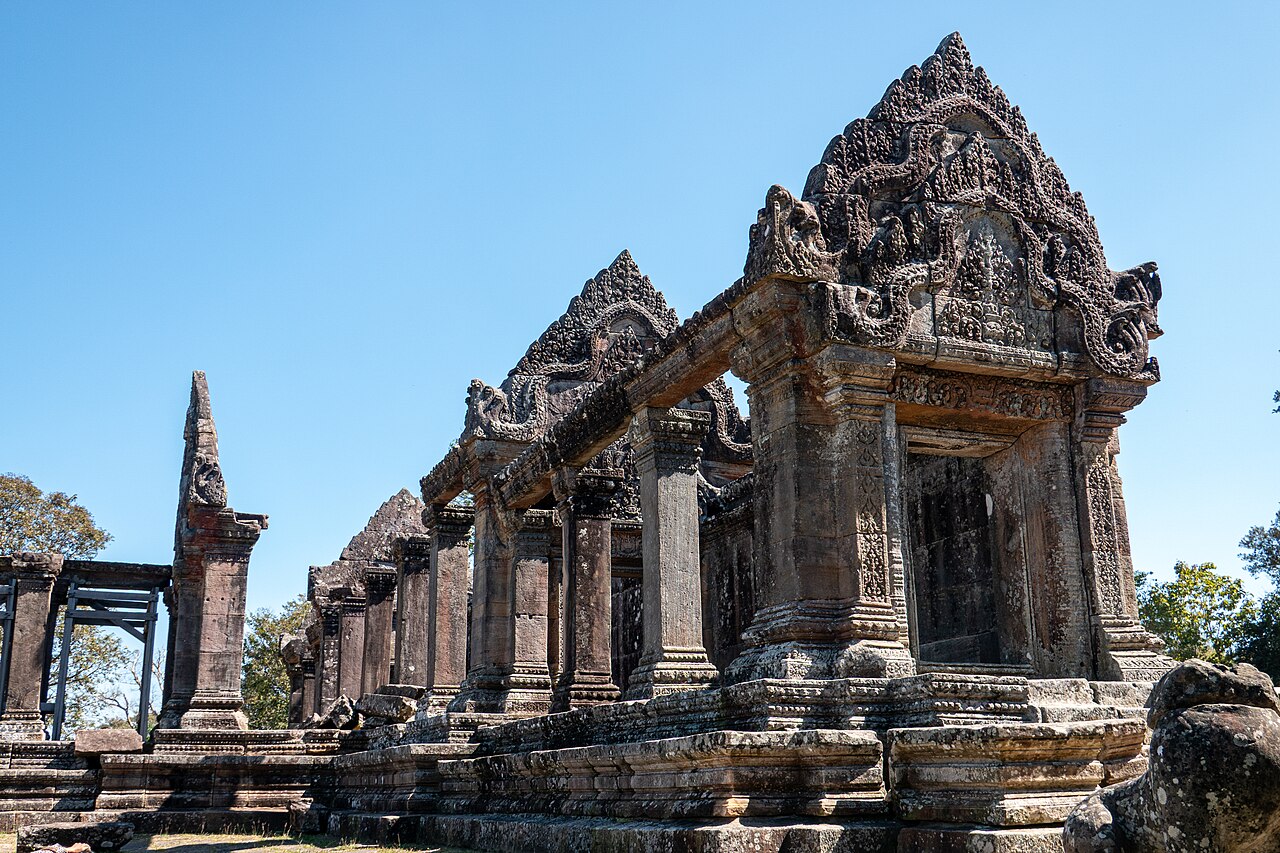
Shared heritage, they say. Contested, I say. It was built when the Khmer Empire was really flexing, a Hindu-Buddhist masterpiece, a true pilgrimage site. Its location? Easily accessible from Thailand, but, oh look, mapped into Cambodia. Cue the ownership debates, colonial style.
Thailand, ever the opportunist, occupied it after the French skedaddled in 1954. Cambodia, naturally, went ballistic. They hauled Thailand to the International Court of Justice (ICJ) in 1959.
The 1962 ruling? Temple to Cambodia. Thailand had acquiesced to French maps, apparently. But the land around it? Ambiguous! A partial resolution, like a half-baked cake. It simply sowed the seeds for more hell.
Both nations still claim a measly 4.6 square kilometers around the place. Its profound cultural pull only pours gasoline on the fire. Cambodians see it as theirs, pure Khmer. Thais argue historical control, geography—whatever gets them an inch.
Civil war shut it down, but the 1990s saw it reopen. Access, development—still a bloody fight. A sovereignty flashpoint? You bet your boots.
The ICJ in 1962, in its infinite wisdom, declared Preah Vihear Cambodian, by a nine-to-three vote.
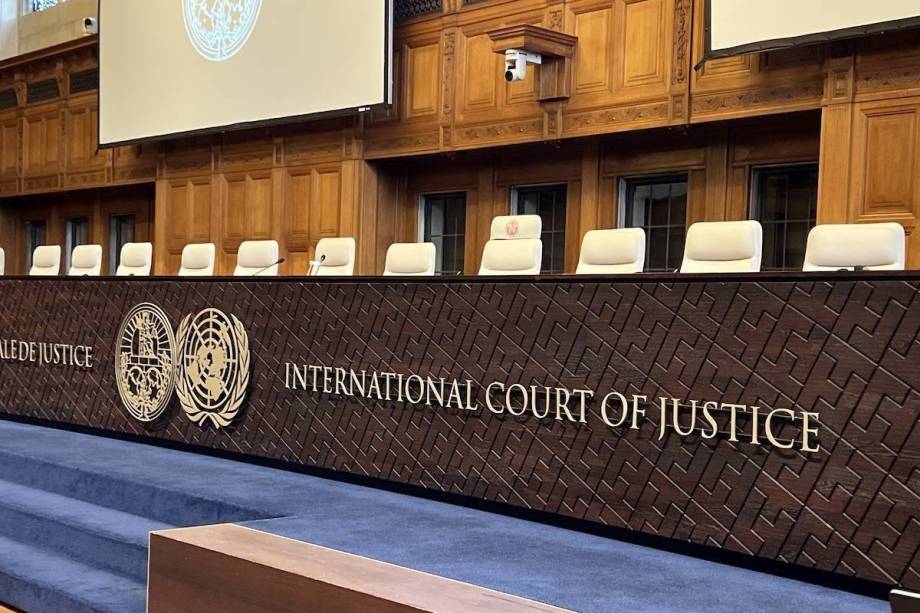
Technicalities, colonial maps, Thailand’s decades of silence. They ordered Thailand out, ordered artifacts returned. Thailand complied, huffing and puffing, even severing diplomatic ties for a bit.
But the ruling? It left gaping holes. Surrounding territory undefined. Thailand accepted the temple, but the adjacent lands? No, sir. That led directly to ongoing patrols, the endless incidents.
International law, supposedly a beacon, only showed its limits here. The decision set a precedent for ASEAN’s “do not interfere” policy, but with so much unresolved, escalations were written in the stars.
A legal win for Cambodia? Absolutely. The end of the conflict? Do not be daft. Court rulings often require diplomacy to actually stick.
Tensions, already a tightrope act, snapped in 2008.
Cambodia, bless their hearts, sought UNESCO World Heritage status for Preah Vihear. They got it, on July 8th. Thailand, still smarting over those “unresolved land claims,” threw a fit. Unilateral, they screamed.
Protests erupted, troops amassed, and borders slammed shut. Clashes followed, leaving twenty dead and thousands displaced. All over a temple and a shiny UNESCO pin.
Domestic politics, of course, piled on the misery. Thailand’s People’s Alliance for Democracy (PAD) smelled weakness, decrying government concessions. Hun Sen, Cambodia’s strongman, played the nationalist card masterfully, just ahead of elections.
Skirmishes dragged into 2009, then 2011—artillery duels near the temple. ASEAN tried to mediate, but Thailand gave them the cold shoulder. Cambodia wouldn’t extradite Thaksin Shinawatra, Thailand’s exiled ex-PM, and relations went from bad to worse.
Tourism? Dead in the water. Local economies? Crippled. Bunkers became the new landmarks. UNESCO, in its cultural triumph, inadvertently militarized a heritage site. Talk about a monkey wrench in the works.
By 2011, the border was a bloodbath.
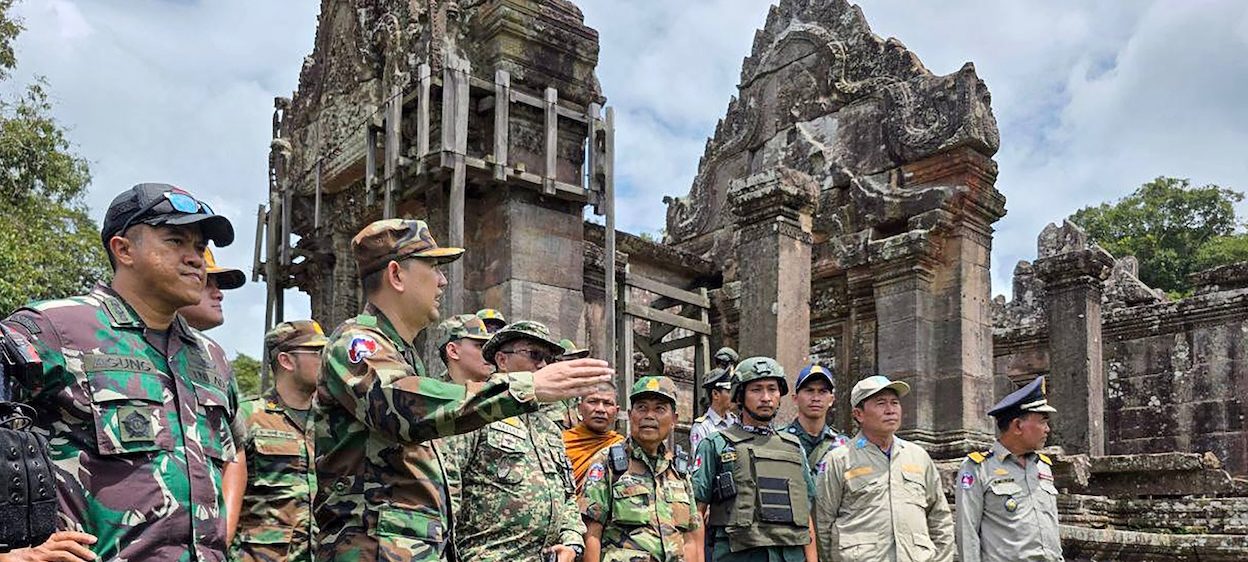
Preah Vihear was ground zero, but other sites like Ta Muen Thom saw action. Heavy weapons. More dead. Cambodia, desperate, went back to the ICJ, begging for clarity on the 1962 ruling.
In 2013, the court affirmed the temple and promontory as Cambodian, ordering troop withdrawals (which, to be fair, happened in 2012). This clarification was meant to tie up loose ends.
Did it? Nope. Surrounding areas? Still up for grabs. ASEAN nudged everyone toward temporary peace, a chance to breathe.
But nationalist sentiments, like weeds, always find a way back. The rulings bolstered Cambodia’s hand, but they also laid bare the ICJ’s enforcement woes without genuine goodwill.
A step forward? Perhaps. But it left plenty of room for 2025’s renewed lunacy.
Post-2013, things looked up.
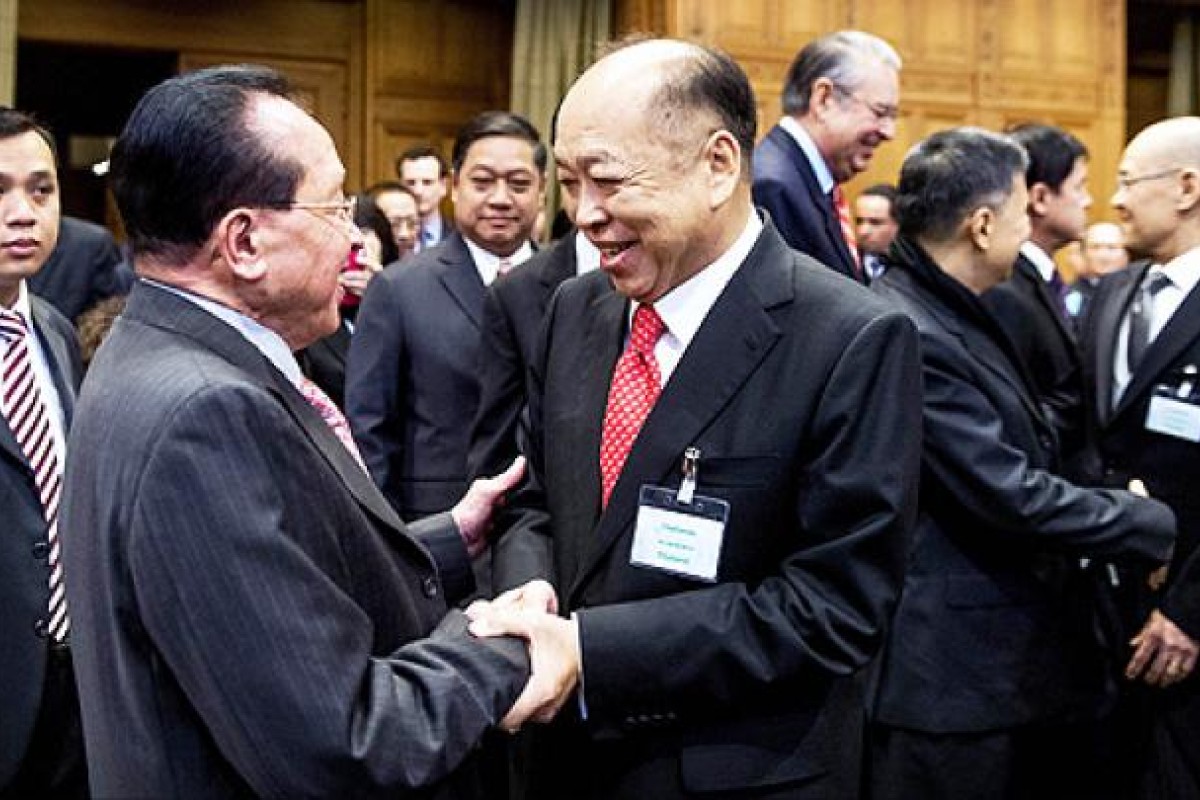
Joint patrols, talks—there were whispers of burying the hatchet. Trade flourished. Thailand, ever the big brother, supplied power and goods. Economic interdependence, a lovely thought.
But landmines, cultural posturing, and political opportunism? They never left the stage. Even 2022 saw squabbles over other temples. The border, a thin skin over a cauldron, remained volatile.
Dynastic politics, too, played their part: the Shinawatra clan in Thailand, Hun Sen’s iron grip in Cambodia. Personal layers added to the thick, messy stew.
These lulls show diplomacy could work. But without a fully demarcated border, peace is nothing but a house of cards.
Then came May 2025.
A clash near Preah Vihear. A Cambodian soldier, dead. The worst incident in over a decade. Both sides pointed fingers, naturally. Blame, blame, blame.
Borders slammed shut again. Cambodia banned Thai imports. Thailand cut power and internet. Troops poured in. The escalation was swift, brutal.
An old wound, ripped open with surgical precision. Accusations flying. Distrust, blossoming like a poisonous flower. A minor incident? It can unravel years of careful détente in a single, bloody afternoon.
June 2025 brought outright theater.
A leaked phone call. Thai PM Paetongtarn Shinawatra, chummy with Hun Sen, called her own military “the opposite side.” “Uncle,” she called him.
Hun Sen, with a grin, admitted leaking it. A dagger to her political heart. Thailand’s court suspended her. Protests erupted. Coalition collapse. A government in disarray.
Personal vendettas, exposed for all to see. Borders are not just lines on a map; they’re battlegrounds for power, where personal animosity can bring down a nation.
July saw another landmine.
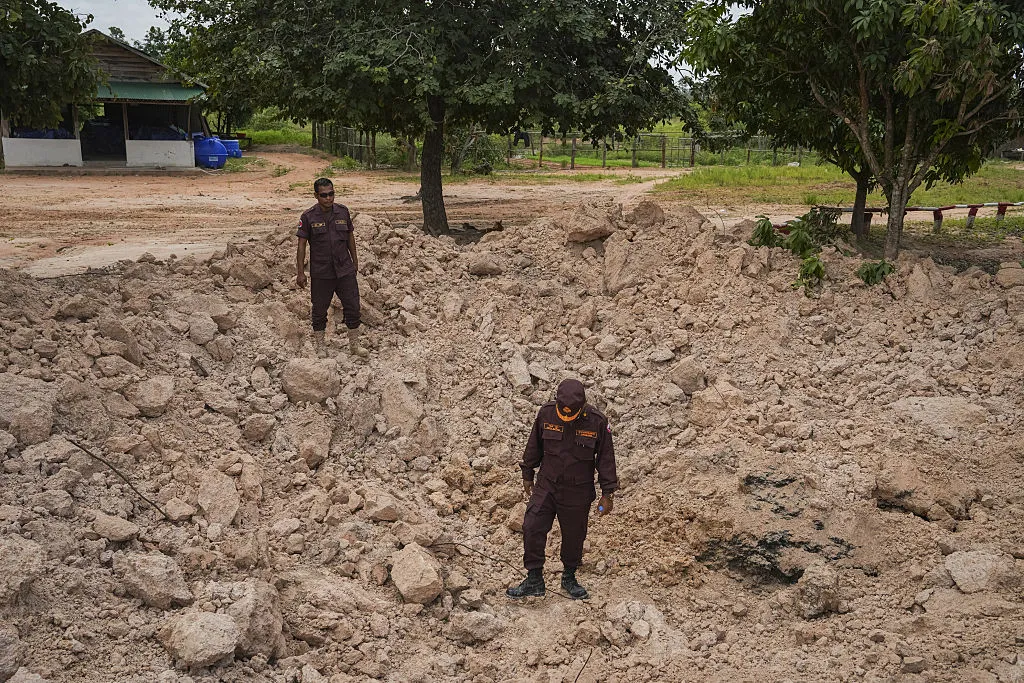
Thai soldiers injured. Cambodia, of course, was blamed. Clashes erupted at a dozen sites, artillery screaming, rockets flying, airstrikes raining down.
Forty-eight dead. Three hundred thousand displaced. ASEAN and the UN wrung their hands, begging for peace.
Malaysia, playing peacemaker, brokered a July 28th ceasefire in Kuala Lumpur, with US and China nodding their approval. Withdrawals began, observers were deployed—a temporary reprieve, a band-aid on a gaping wound.
International pressure can pause the fighting, yes. But the root causes? They simply go underground, waiting for the next opportunity to burst forth.
November.
Another landmine. The ceasefire, that fragile thing, shattered. Thailand accused Cambodia of violations. Gunfire resumed. One more dead.
The trust, so painstakingly built, crumbled to dust. Landmines are not just physical hazards. They are grim symbols of past wars, their silent presence a constant reminder of enduring hatred.
December 8th to 10th.
The gloves truly came off. Major clashes. Thai airstrikes. Cambodian rockets. Drones, buzzing like angry wasps, hitting civilians.
More dead—soldiers, innocents. Displacements soared: 385,000 Thais, 1,100 Cambodian families, all uprooted, terrified.
Thailand cut fuel routes through Laos, a clear move toward economic strangulation. Curfews, blockades. The border, a screaming wound.
Modern warfare tools, drones and all, simply equip ancient grievances with deadlier toys.
International meddlers? All talk, no fix.
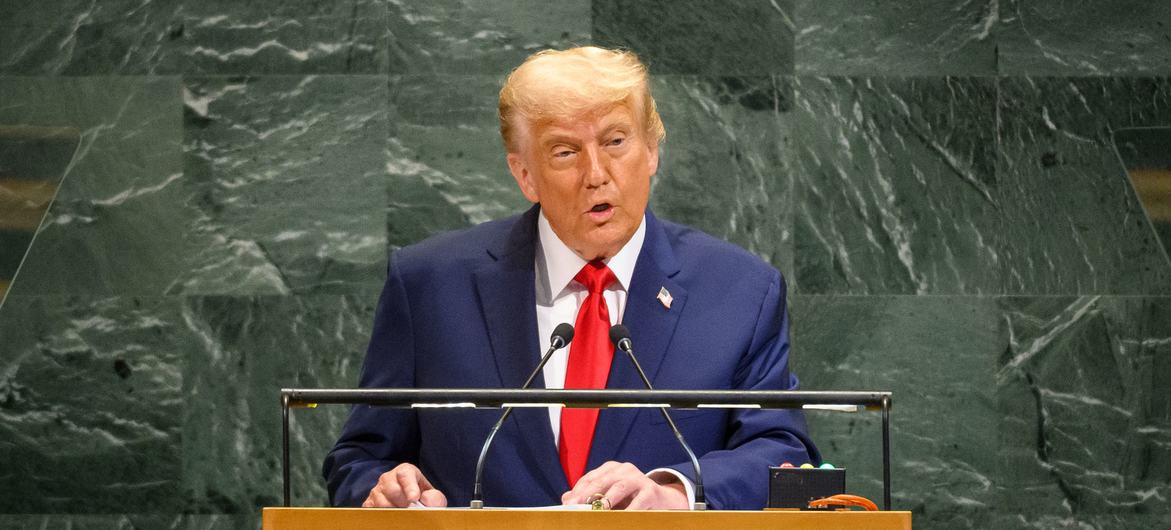
ASEAN, chaired by Malaysia, kept pushing for observers. US President Trump, ever the dealmaker, brokered an October accord that went nowhere.
China, supposedly backing Cambodia, whispered in ears. The UN, predictable as ever, called for “de-escalation.”
Trump’s dabbling showed US interest, sure. But stability? A pipe dream. Global powers can influence, but they can’t dictate. Local resolutions, real ones, demand local will, and that’s a commodity in short supply here.
The human cost of the 2025 conflict.
Dozens dead. Hundreds of thousands displaced. Civilians caught in the crossfire. Hospitals, schools, targeted.
Landmines, long after the shooting stops, keep claiming limbs, keep mutilating lives. Refugees, streaming across borders, strain resources.
The human cost of these border squabbles far outstrips any perceived territorial gain. A stark, brutal truth.
Border closures choked trade.
Thailand blocked fuel. Cambodia banned goods. Tourism at Preah Vihear? Vanished.
Nationalism, a toxic brew, fueled division on both sides. Economic ties, like strong rope, can bind nations together. But conflict? It rips them apart with terrifying speed.
So, the future?
Another round on the merry-go-round, it seems. No permanent fix in sight. Experts drone on about full demarcation, cultural dialogue.
Thailand’s 2026 elections might shift the deck chairs. ASEAN, ever the hope, still tries.
But the risk of wider war? It hangs heavy in the air, a sword of Damocles. History, the old sage, suggests cycles: peace, fleeting; conflict, recurring.
Diplomacy? A flicker, perhaps. But do not hold your breath. This Cambodia-Thailand mess? It’s far from over.
- Things You Should Know About Skilled Worker Visa Sponsorship in the UK Post-Brexit in 2026.
- Things You Should Know About Visa Sponsorship in the United States Under the Trump Administration
- Things U Should Know About H1-B Visa in 2026
- Things U Should Know About Child Labour in 2026
- Things You Should Know Before Immigrating to the US in 2026

