Things U Should Know About Child Labour in 2026

Things U Should Know About Child Labour in 2026
It’s a gut punch to any decent soul, isn’t it? This isn’t some abstract “global issue” we can just shrug off. No, this is outright theft: millions of futures snatched away, leaving kids with nothing but scars. Let’s call it what it really is: grueling work that strips children bare, robs their potential, grinds their dignity into dust, and mutilates their minds and bodies. Essentially? It’s pure, unadulterated exploitation. We’re talking about kids forced into jobs that mock their right to school, to health, to a damn moment of playtime. Sure, “light chores” or “helping family” might be one thing – a bit of elbow grease if it fits their age and doesn’t wreck their childhood. But when it turns hazardous, when it turns exploitative? That’s when we stop politely asking and start demanding answers. We’re ripping the lid off this ugly mess: delving into its brutal history, its rotten causes, the devastating toll it takes, the cold, hard numbers, the laws (or lack thereof), the Sisyphean efforts to stop it, the real-world horrors, and what in God’s name we can actually do. By the end, you’ll feel it in your bones—why this matters, and why we haven’t fixed it yet.

The History of Child Labour: From Ancient Times to Modern Struggles
Child labour isn’t some fresh hell hatched yesterday. No, this rotten thread, thick with economic desperation and societal indifference, is woven deeply through history. Sure, back in ancient times, kids pitched in; it was a different world, with different rules. Families worked fields, plied crafts, and children toiled alongside adults, all just trying to keep body and soul together.
But then came the real monster: the Industrial Revolution. It burned bright in 18th and 19th-century Europe and North America. Factories, mills, mines – they craved cheap, nimble hands. Guess whose hands fit the bill perfectly? Tiny ones. In Britain, children as young as five were swallowed by mills and mines, toiling for hours that stretched into eternity. They breathed black dust and risked life and limb on machines that seemed to eat children whole. The U.S. followed suit post-Civil War. By 1911, two million kids under 16 – two million! – worked 12-hour shifts, sometimes even longer. Factories. Farms. Everywhere. What a cruel joke.
A few good souls, God bless ’em, finally said, “Enough!” Reform movements began stirring in the late 1800s. The UK passed its Factory Acts, feeble though they were, chipping away at those monstrous hours. In the U.S., the National Child Labor Committee raised hell, Lewis Hine’s camera a brutal truth-teller, snapping those haunting images of kids in coal breakers, in canneries. The Fair Labor Standards Act of 1938 finally put a federal boot down, banning most child labour under 16 and hazardous work for anyone under 18. Globally, the International Labour Organization (ILO) formed in 1919, eventually giving us World Day Against Child Labour in 2002 – a spotlight on a shame. A slow, agonizing crawl towards decency.
But did it really stop? Hell, no. Child labour is a hydra. Cut off one head in a factory, and two more sprout in informal sectors like agriculture or domestic work. This history is a bitter pill to swallow: forever tied to industrialization, persistent poverty, and our collective blind eye. Regulation and awareness might have tamed it in wealthier nations, but the beast just moved house.
Causes of Child Labour: Why It Happens
Poverty. That’s the damned root of it all. At its core, it’s families in dire straits, looking at their kids and seeing a survival tool. A choice no parent should ever have to make. When food is scarce, and school fees remain an impossible dream, who steps in? The children. In low-income countries, economic pressures don’t just “force” kids into jobs; they shove them, elbowing them into the maw of hardship.
And education? Often, it’s a distant, expensive dream. If schools are miles away, cost an arm and a leg, or are just plain awful, then work – no matter how soul-destroying – feels like the only option. Don’t forget discrimination: the invisible chains of gender, ethnicity, and caste push already marginalized kids deeper into the pit. No decent adult jobs available? Guess who gets thrown into the breach. Look at places like India, for example: a tangled web of family economic pressures, laughable enforcement, and cultural norms that just don’t stack up.
Then disaster strikes: conflicts, natural disasters, a parent falling ill. Suddenly, a child is left exposed, utterly vulnerable. Limited social protections? That’s just another nail in the coffin.
But let’s not pretend it’s all about poverty. The greedy bastards at the top, the supply chains in agriculture or mining – they demand cheap labour. They’ll “overlook” a child’s age in a heartbeat. It’s a moral cesspit. Don’t pretend it’s simple. This is an unholy stew of economic, social, and systemic rot.
Effects of Child Labour: The Toll on Kids
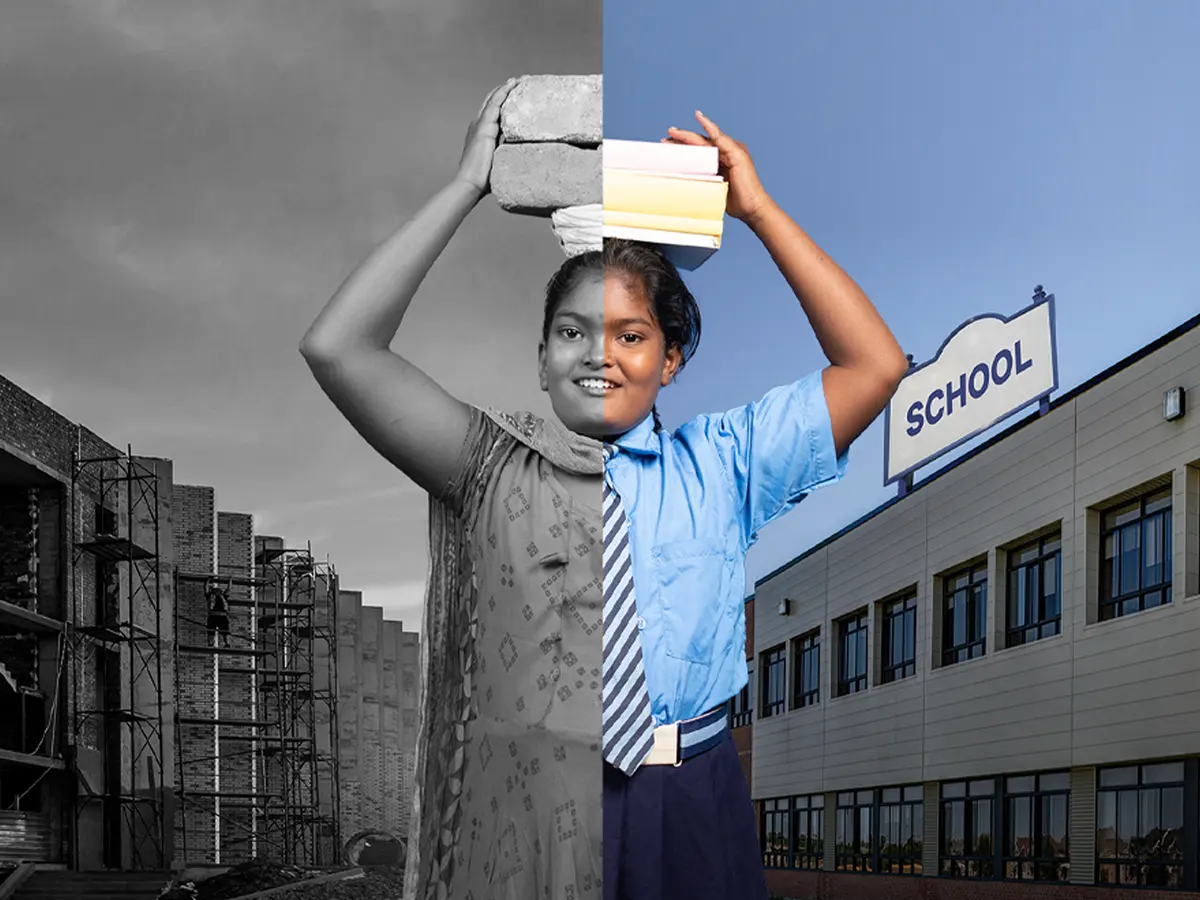
“Devastating”? That’s putting it mildly. Child labour hits them like a truck, tearing apart body, mind, and soul.
Physically: Their bodies are broken before they’re even fully formed. Expect relentless injuries, chronic illnesses, and stunted growth from malnutrition and sheer exhaustion. Exposure to chemicals, heavy lifting, ceaseless hours – it’s a recipe for chronic health hell: poisoned lungs, twisted spines, and far too many early graves.
Mentally: Their minds are shattered. The constant stress, the terror, it breeds anxiety, depression, and trauma that clings like a shadow, especially in those exploitative snake pits.
Education? Forget it. The doors to a better life? Slammed shut. Working kids miss school, perpetuating the damn cycle of poverty. Long-term, they limp into adulthood with fewer skills, earning mere pennies, often staring down unemployment.
Socially: They are robbed of playtime, robbed of friends. Isolated, adrift, their emotional growth is stunted, their innocence stolen. In the worst cases – trafficking, forced labour – it’s abuse, pure and simple, deepening psychological scars that never fade.
Overall, it’s a generational curse. A moral black hole affecting societies economically, yes, but ethically? It’s an outright scandal.
Global Statistics: The Numbers in 2025
138 million children. Let that sink in. As of 2025, that’s the grim tally of those trapped in child labour worldwide. They say it’s down from previous years – a flimsy silver lining on a thunderhead of despair. Is it still alarming? Absolutely. It’s a gut-wrenching, soul-crushing number, representing about 8% of all kids on the planet. And 54 million of them are in hazardous work. Sheer hell.
Sub-Saharan Africa bears the heaviest cross, a crushing burden. South Sudan? 48% of its children. Ethiopia? 45%. Burkina Faso? 42%. Nearly half the kids working. Half! What an indictment. Boys and girls are equally screwed, just in different ways: boys in the mines, girls in domestic servitude.
The Sustainable Development Goals aimed to end it by 2025. A nice-sounding goal. A pipe dream, evidently. Progress stalled. Blame the conflicts. Blame the economy. Meanwhile, the kids still suffer. In the poorest countries, over 20% of children are caught in this trap. Agriculture accounts for most, with kids farming their tiny lives away, followed by services and industry. A 12-million drop since 2020, they crow. But was the goal met? Not even close. So much for patting ourselves on the back.
Laws and Regulations: International Frameworks
Laws. Grand declarations. But do they mean a damn thing? Global treaties, like ILO Convention No. 138, set minimum working ages, usually 15, and ban hazardous jobs. Sounds good on paper, doesn’t it? Convention No. 182 targets the very worst forms—slavery, armed conflict—for “immediate elimination.” The UN Convention on the Rights of the Child (CRC) mandates protection from exploitation. Big words, big ideals. Yet, kids still toil.
Nationally? It’s a patchwork of varying effectiveness. India’s Child Labour Act supposedly prohibits work for anyone under 14 in hazardous occupations. Great. But is it enforced? That’s the rub. In the EU and US, you’ll find stricter rules, limiting hours and types of work for minors. “Our hands are clean!” they shout. Yeah, right. Look at their supply chains.
Enforcement. That’s the Achilles’ heel. Laws are only as good as the will to enforce them, and where oversight is weak, violations fester like an open wound. The EU bans child labour outright in policy. A nice sentiment.
Efforts to Eradicate Child Labour: What is Being Done
Attempts. God bless the people who are actually trying. Organizations like UNICEF and the ILO are slogging away, leading programs like IPEC, pulling kids from the abyss, trying desperately to give them an education. Education initiatives are crucial, they say—the magic bullet, if only it were that simple.
Businesses? Oh, they adopt “policies.” They conduct “supply chain audits.” But are we really buying that? Sometimes it feels like a lick of paint on a rotten wall, nothing more than a quick corporate PR win.
Governments? Some of them try to enforce laws, to provide social protections—if they bothered to govern at all, that is. Projects like CLEAR Cotton target specific sectors, but it’s a mere drop in the ocean. Awareness campaigns, like World Day Against Child Labour, shout it from the rooftops. Does anyone actually listen?
Case Studies: Real Stories from Around the World
Real stories. These are the ones that truly gnaw at your soul.
In Bangladesh, factories hired underage workers. Levi Strauss “remediated” by funding education. A band-aid on a gaping wound, perhaps? Education is good, yes, but why were those kids there in the first place?
IKEA, global giant, faced child labour in rug suppliers. Their response? “Monitoring” and “community programs.” Hmm.
In Ethiopia, kids like Gift were snatched, trafficked into weaving. Just a name. A child. The pure evil of it.
Gaza’s economic blockade became a cage. Kids dug through trash, their “future” found only in the refuse.
Post-disaster in the Philippines and Lebanon, child labour spiked. Nature’s fury, followed by human exploitation. A double whammy.
Palm oil plantations in Indonesia? Think of our breakfast cereal. Think of their bleeding hands. It leaves a bitter taste.
These aren’t just anomalies. They’re symptoms of a system that often just doesn’t give a damn.
What Can Be Done: Steps to Stop It
So, what’s the play? Are we just throwing up our hands in defeat? No. Don’t you dare sit on your hands.
For Individuals: Educate yourselves, yes. But then get angry. Buy fair trade. Shout at those corporate titans; demand ethics. Support the journalists who expose this filth. Invest ethically.
For Businesses: Policies are fine, but what about real change? Stop treating children like profit units. Implement strong anti-child labour policies, offer proper apprenticeships, and ensure fair wages throughout your entire supply chain.
For Governments: Grow a spine! Demand stronger enforcement. Mandate higher wages for adults. Implement robust social programs. International aid needs to keep its focus razor-sharp: education and poverty reduction. Advocate for iron-clad legal frameworks to protect kids from slavery.
Keep fighting. Keep yelling. This isn’t a problem that will just “poof” away.
Conclusion: Moving Forward
Child labour remains a stubborn challenge. “Stubborn”? More like a relentless cancer. Data showing declines? Hope is a fragile thing indeed. We cannot just hope; we have to fight. Understanding its rotten roots and devastating impacts equips us to push for change—to make them hear us.
From history’s harsh lessons to today’s grim statistics, from the valiant but often inadequate efforts to stop it—one truth stands clear: we need collective action, laws with teeth, real education, and unwavering ethics. This isn’t just about “changing the world.” It’s about saving souls.
Get angry. Get active. Make them listen. Let children be children, for God’s sake. It’s the least we can do.
- Things You Should Know About Skilled Worker Visa Sponsorship in the UK Post-Brexit in 2026.
- Things You Should Know About Visa Sponsorship in the United States Under the Trump Administration
- Things U Should Know About H1-B Visa in 2026
- Things U Should Know About Child Labour in 2026
- Things You Should Know Before Immigrating to the US in 2026


Post Comment